
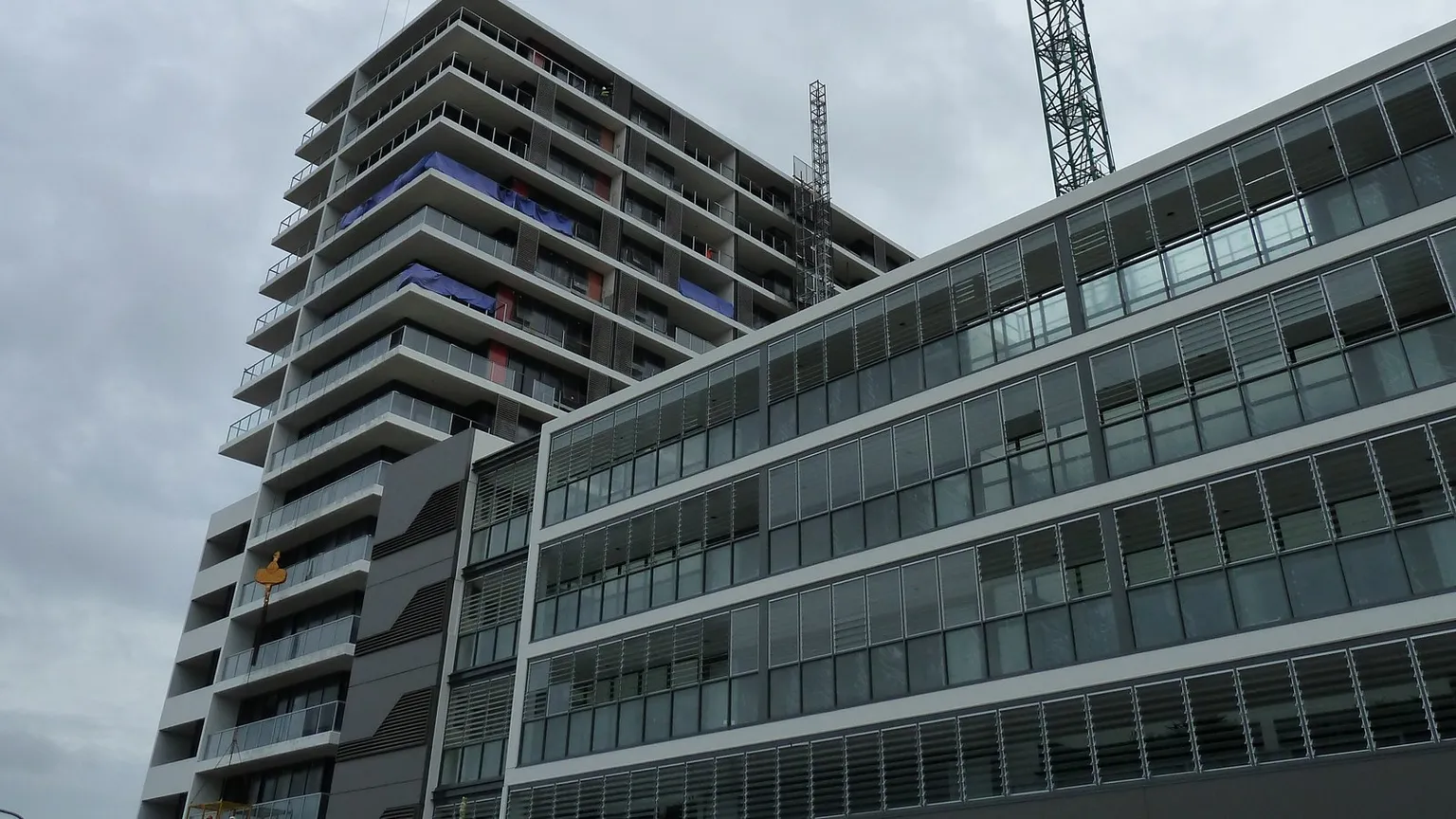
A small apartment project can clear every planning condition, finish the building beautifully and still stall at the last administrative gate because a bond the developer never budgeted for has to be lodged first. In New South Wales that gate is real, and it is attached to the occupation certificate.
This is not a defects story or a construction story. It is a program and cash-flow story that belongs in the feasibility months before anyone lifts a brick.
What the obligation is
The NSW Government's Strata Building Bond and Inspections Scheme page states that the scheme requires developers to lodge a building bond with the Secretary before an application is made for an occupation certificate for new apartment building work. It goes on to say that the bond is 2% of the contract price, or the prescribed percentage in the regulation, and that the bond may be used to rectify defects identified in scheme inspections, with the bond returned to the developer if there are no defects.
Two features of that description deserve a second read. The trigger is lodgement before the occupation certificate application, not at settlement or at some later administrative milestone. And the bond is calculated as a percentage of the contract price, which means it scales with construction cost rather than with land value or profit.
The percentage is deferred, so do not price the wrong number
The same page records that an amendment has been made to the Strata Schemes Management Regulation 2016 to defer the increase to the strata building bond percentage rate from 2% to 3% until 1 July 2028. If you have seen a 3% figure quoted in a recent feasibility, check the source. On the published position the rate to model today is 2%, with a known change date you can diarise. Confirm the current position with your lawyer before you rely on it, because a regulation amendment can move again.
Eight stages, and a long tail after completion
The scheme's published process runs through eight stages. Stage one is lodgement, registered and lodged through the NSW Planning Portal. The developer must appoint a building inspector within 12 months of the building work being finished; that is stage two. An interim inspection and report follows between 15 and 18 months after the building work is finished, and a final inspection and report between 21 and 24 months. The bond payment process is described as being completed between two and three years after the building work was finished.
Read that timetable as a project obligation that outlives the build. It sits alongside your defects liability period, and it requires a named person to remain accountable for a period measured in years, not months. The Strata Hub page confirms that stages two to eight are managed in the Strata Hub, and that developers of apartment buildings must lodge a building bond under the scheme.
Eligibility is the question to ask early, not later
The scheme page carries a published note that SBBIS is one of the other consumer protection regimes like the Home Building Compensation Fund, and states that it applies to residential apartment buildings three storeys and below, and that SBBIS does not apply if HBCF does. Treat that as the source's own wording to be confirmed for your building rather than a settled description of every project, because the interaction between the two regimes is precisely what a specialist should confirm on your facts and current instruments, not something to decide from a summary.
A feasibility test to run before you buy
- Establish whether the building type you intend brings the scheme into play at all.
- Model the bond as a cash line funded before the occupation certificate, using the current percentage.
- Add the holding cost of that money for the period until release.
- Check how the bond interacts with your insurance obligations and what your lender will accept.
- Confirm who lodges it, through which portal, and what evidence is required.
- Diarise the inspector appointment window and the inspection windows against your program.
- Note the 2028 percentage change date in your assumptions register as a known future cost.
The resources page holds the mandatory guidelines, the developer information manual and the combined forms for the interim and final reports, which is what the practical work actually looks like.
The trap
Treating the bond as an administrative formality at the end of the build. It is money, it is timed, and it is a precondition rather than a follow-up. The second trap is assuming that a small building is automatically outside the scheme, or automatically inside it, without checking. The third is forgetting the tail: an obligation that runs up to three years past completion needs an owner inside the business, and it often outlasts the project team that built the building.
You are not expected to solve this yourself. Brief a NSW property lawyer and your building certifier or principal certifier, with your quantity surveyor or cost consultant, and ask them to confirm whether the scheme applies to your building, how the bond computes on your contract sums, and when in the program it must be lodged. Your finance broker or lender then confirms how it is funded and held.
Sources and boundaries
Sources checked 1 October 2026. Jurisdiction and limits: New South Wales only. The bond percentage, the lodgement trigger, the eight stages, the inspection windows, the deferral of the percentage increase and the interaction with home building compensation insurance come from the NSW Government's published scheme pages, which were last updated in June 2026. Whether a particular building falls within the scheme, and the correct calculation for a specific project, are outside this article.
- NSW Government — Strata Building Bond and Inspections Scheme. Used for: The 2% bond on contract price, lodgement before the occupation certificate, the eight stages and their inspection windows, the deferral of the increase from 2% to 3% until 1 July 2028, and the published note on the interaction with home building compensation insurance (last updated 29 June 2026) (Checked 1 October 2026)
- NSW Government — Strata Building Bond and Inspections Scheme resources. Used for: The mandatory guidelines, the developer information manual and the combined interim and final inspection report forms (Checked 1 October 2026)
- NSW Government — Strata Hub. Used for: That the scheme's stages two to eight are managed in the Strata Hub, and that developers of apartment buildings lodge a building bond under the scheme (last updated 10 August 2026) (Checked 1 October 2026)
This article is general education, not personalised planning, legal, financial, tax or building advice. Requirements and outcomes vary by jurisdiction, site, contract, structure and circumstances. Check current information with the relevant authority and appropriately qualified advisers.
 Learn with Jason & AmyBuild practical small-scale property development skills with experienced mentors.Enquire now
Rate this article
Guest rating: select 1 star for poor or 5 stars for great. No account is required.
Leave a comment
Join the discussion. Your email address will not be published.
Frequently asked questions
When must the building bond be lodged in NSW?
The NSW Government's scheme page states that developers of apartment buildings must lodge a building bond with the Secretary before an application is made for an occupation certificate for new apartment building work. It is therefore a precondition in the program rather than a post-completion formality, and it should be funded and diarised accordingly.
How much is the bond?
The published position is that the bond is 2% of the contract price, or the prescribed percentage in the regulation. The same page records that an amendment has deferred the increase from 2% to 3% until 1 July 2028. Confirm the current percentage and the calculation method for your project with your lawyer and cost consultant before you model it.
What happens to the bond if there are no defects?
The scheme page states that the bond may be used to rectify defects identified in SBBIS inspections, and that if there are no defects the bond is returned to the developer. The process still runs through the inspection stages, so a clean building still has a timetable attached to it.
How long does the scheme run after the building is finished?
The published stage timetable has the developer appoint a building inspector within 12 months of the building work finishing, an interim inspection and report between 15 and 18 months, a final inspection and report between 21 and 24 months, and the bond payment process completed between two and three years after the building work was finished.
Does SBBIS apply to every apartment building in NSW?
The scheme page carries a published note that it applies to residential apartment buildings three storeys and below, and that it does not apply if home building compensation insurance does. Because the interaction between the two regimes turns on the specific building, confirm whether the scheme applies to your project with a NSW property lawyer and your building certifier rather than relying on a summary.
Photo: OSX, public domain, via Wikimedia Commons.
Loading comments…