
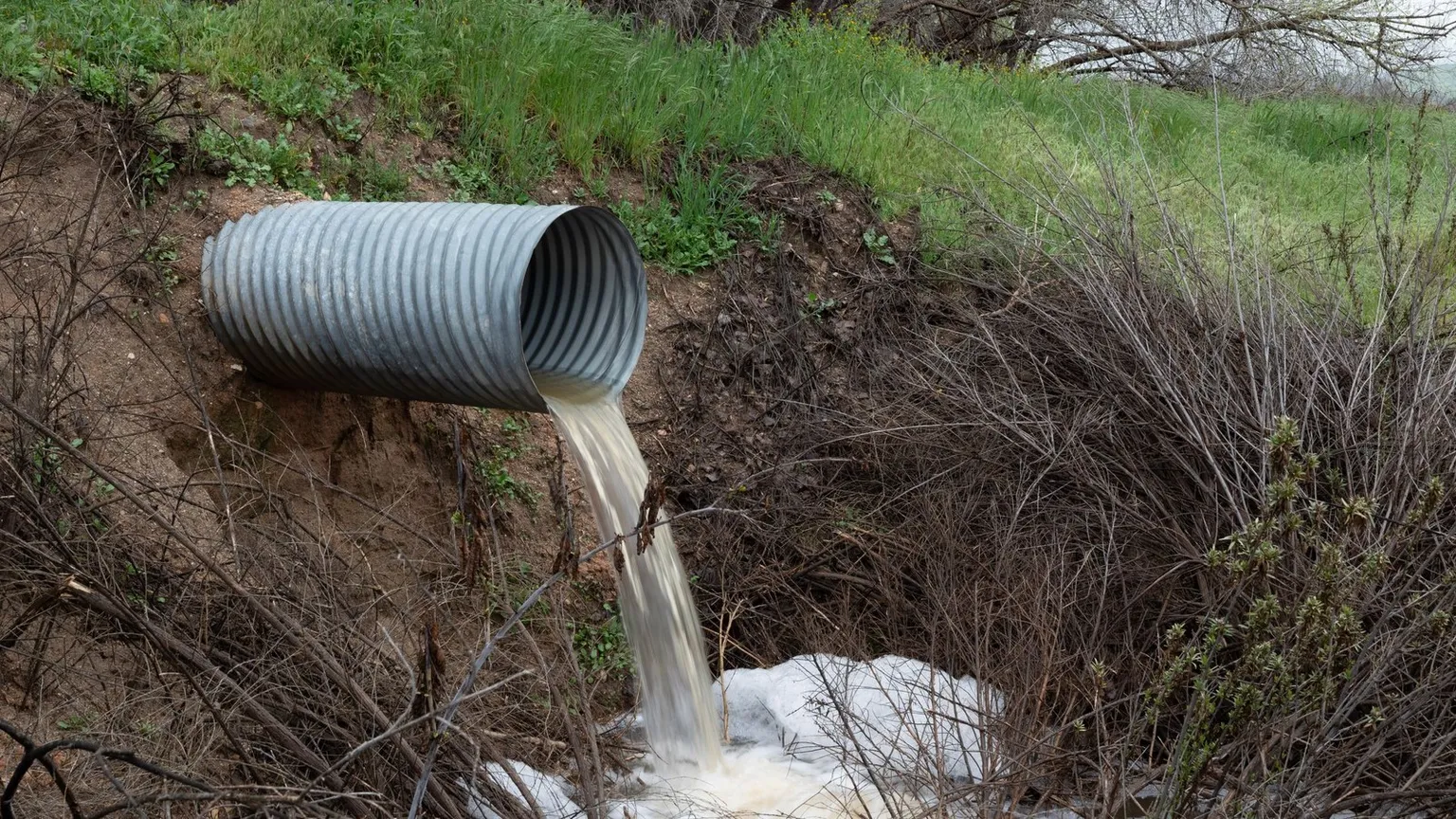
A clean rectangle on a Brisbane listing can become a very different deal once stormwater is checked. The practical question is not “is the block large enough?” It is “can the future lots drain lawfully, be serviced, and still leave a usable development rectangle after easements and infrastructure are allowed for?”
Start with Council mapping and the current Brisbane City Council City Plan 2014. The planning scheme, overlays and development codes help identify whether a proposal is likely to face drainage, waterway, flooding or infrastructure constraints. Then check the property title and survey information. The Queensland Government explains that easements can give another party rights over part of the land, which may restrict where buildings, retaining walls, driveways or services can go.
The decision you are really making
You are deciding whether the site can carry the intended lot layout without pushing hidden civil works into the feasibility. A rear-lot subdivision may need a driveway, service trench, stormwater pipe, detention solution and lawful discharge point to fit inside a narrow access handle. If an easement crosses the best building area, the paper yield may survive while the marketable product becomes weak.
For a student, the first pass is a risk screen, not an engineering design. You are not expected to solve this yourself. Your job is to recognise the issue early enough to brief a civil engineer and surveyor before the offer becomes unconditional.
Practical site checks before an offer
- Order a current title search and survey plan so easements are not missed.
- Open Council mapping and note flood, waterway, overland flow, biodiversity and neighbourhood-plan layers.
- Sketch the likely driveway, service corridor and building rectangle for each proposed lot.
- Ask where stormwater can lawfully discharge and whether detention or upgrade works may be required.
- Include a civil-design allowance, survey allowance and contingency in the feasibility rather than treating drainage as a minor line item.
The Brisbane planning and building online tools are useful for early screening, but they do not replace site-specific advice. Under Queensland's planning framework, the Planning Act 2016 and the applicable planning scheme determine how development assessment operates. The detail for a particular subdivision still turns on the current City Plan provisions, overlays, servicing standards and referral triggers.
Common trap
The common trap is pricing the deal from gross land area and assumed lot count. Drainage and easements affect usable area, construction cost, timing and saleability. A lot that technically exists but has poor access, awkward levels or expensive stormwater works may not create the value the feasibility assumed.
TPC deal lens
Before you rely on a Brisbane subdivision yield, ask the civil engineer to confirm the drainage path, lawful point of discharge, likely easements, service corridor and any concept-level civil works. Ask the surveyor to confirm boundaries, levels and title constraints. Then update the feasibility with design, approval, infrastructure and contingency costs. If the margin only works when stormwater is easy, the deal is not yet proven.
As a feasibility discipline, write down the evidence you have and the evidence you still need. If the civil answer is unknown, do not hide it inside a broad contingency line. Give it a separate assumption, a responsible specialist and a deadline. That makes the decision clearer for a student, a capital partner and any lender reviewing the project.
For a student, the discipline is to turn every uncertainty into a named assumption with evidence, owner, cost allowance and decision date. If that assumption changes the acquisition price, approval pathway, funding condition or exit value, it belongs in the feasibility before the commitment is made.
That written trail also helps the student avoid emotional buying. It shows whether the opportunity creates value through a tested system, or whether the numbers only work because a difficult item has been left vague. A good deal can survive scrutiny; a weak one usually depends on rushed assumptions.
Key takeaway: In Brisbane, drainage and easements are not back-end details. They can decide whether the subdivision layout is practical, fundable and worth pursuing.
Student next step
You are not expected to solve this yourself. Brief a civil engineer to confirm stormwater discharge, detention, servicing and access requirements, and a surveyor to confirm boundaries, levels and easements before relying on the subdivision yield.
Sources and boundaries
Checked 8 October 2026. Sources are linked beside the relevant claims in the article body; key official sources are listed here for review.
- Brisbane City Council City Plan 2014 — City Plan mapping and codes are the starting point for Brisbane planning controls.
- Brisbane City Council — planning and building online tools — Council tools help students check property mapping, applications and constraints.
- Queensland Government — easements — Queensland title searches can disclose easements affecting land use.
- Queensland Government — Planning Act 2016 — The Planning Act 2016 sets the Queensland planning framework.
This article is general education only and is not personal financial, legal, tax, planning, lending, building or engineering advice.
Frequently asked questions
What is the first decision this guide helps me make?
It helps you decide whether the issue is a genuine feasibility risk that should be checked before you rely on the deal numbers.
Can I assess this without a specialist?
You can screen the risk and ask better questions, but the site-specific technical answer should be confirmed by the relevant qualified specialist.
When should I raise this in the deal process?
Raise it before exchange or before the contract becomes unconditional, because the answer can affect price, conditions, timing and whether the project should proceed.
What should go into the feasibility?
Record the assumption, source, likely consultant cost, approval or delivery timing, contingency allowance and the decision that depends on the answer.
What is the common mistake to avoid?
Do not treat a promising address, headline yield or agent comment as evidence. Convert the issue into a written question for the right specialist.
Rate this article
How useful did you find this article? 1 is poor and 5 is great.
Join the conversation
Your email address will not be published.
Photo: Joseph Russo, Pexels.
Loading comments…