
The moment a subdivision planning permit arrives, the project feels approved. It is not. In Victoria the permit authorises the subdivision; it does not create the new lots. Between those two points sit certification, works, contributions and a statement of compliance — and that is where settlements, funding drawdowns and sale contracts most often break.
Two approvals, not one
Victorian councils describe the process as a sequence. Whitehorse City Council sets it out as a subdivision permit application and a certification application, with the certification application leading to a statement of compliance. Greater Dandenong City Council runs the same order — planning permit, certification of the plan, statement of compliance, lodgement with Land Use Victoria, then title registration (Greater Dandenong City Council — Subdivision).
Two consequences follow immediately. First, there are two separate fees and two separate workstreams, and a feasibility that budgets only the planning permit is understated. Second, approval of the application and creation of the title are different events, so any contract, finance facility or sale that depends on ‘getting the subdivision’ needs to say which event it means.
Certification is a technical check with a five-year clock
The plan of subdivision is not something you draft. City of Greater Geelong's guide states that a plan of subdivision must be prepared and submitted to Council by a licensed land surveyor for certification in accordance with the Subdivision Act 1988 and the planning permit (Subdivision Act 1988 (Vic)).
Certification is where the plan is checked, and where the service authorities get their say. Whitehorse City Council records that a subdivision application is referred to all relevant service authorities, and that those authorities have 28 days to respond to Council stating whether they consent. Geelong's guide adds that the plan is referred to referral authorities and Council's engineering department, who review it and request amendments if necessary, and that certification is granted once all parties consent and the relevant permit conditions are satisfied.
Then the timer starts. Whitehorse states that a certified plan is valid for five years from the date of certification, and that if the plan is not registered at the Titles Office within that time, the plan expires. A permit and a certified plan are wasting assets.
A statement of compliance is the gate that creates titles
Whitehorse City Council describes the statement of compliance as the final part of the subdivision process, and as the document that allows the certified plan and documentation to be lodged with Land Use Victoria to issue titles for the new lots. Greater Dandenong lists what Council needs before it issues one: all planning permit conditions satisfied, any public open space contribution paid, and a compliance inspection successfully completed.
Read that list as a budget and a program. The public open space contribution is a real cost, not an administrative line, and Greater Dandenong notes that most subdivisions must make one, with some two-lot subdivisions exempt where council considers further subdivision unlikely. The compliance inspection is a scheduling item — Greater Dandenong describes both an on-site inspection with a fee and a photo-based assessment option, with photo submissions labelled. Neither of those happens on the day you decide you need them.
The Section 173 agreement, and why it appears in staged projects
Where a permit includes development and you intend to subdivide before construction is complete, the permit will often require an agreement. Geelong's guide notes that a Section 173 agreement is likely in exactly that situation, that it is a legal agreement registered on the title to control the development of the land, and that the permit holder bears the cost of the legal work. Greater Dandenong describes it as a legal contract under the Planning and Environment Act 1987, and as commonly used to allow subdivision before development is complete.
The trap for a first-time developer is treating a condition requiring an agreement as routine. It is a document that binds the land, affects what a future buyer can do, and can delay settlement if it is negotiated late. The time to have it drafted is when the permit is issued, not when a purchaser’s solicitor asks for it.
The common trap: works and contributions after certification
City of Greater Geelong's guide puts it plainly: once a planning permit has been issued for subdivision, you must gain certification and statement of compliance from council before separate titles can be released, and you must read the permit carefully to be fully aware of the requirements that apply before either step and of the permit expiry timeframes.
That word ‘before’ is the whole game. Some conditions sit before certification; others sit before the statement of compliance. A developer who treats every condition as ‘do it later’ discovers at the statement of compliance stage that the outstanding item was a construction obligation, and that the certified plan is now running out of time.
A subdivision delivery checklist
- Read the planning permit and split its conditions into three lists: before certification, before the statement of compliance, and ongoing.
- Engage a licensed land surveyor before you sign the contract, not after.
- Identify every referral and service authority early, and allow for the 28-day response period.
- Confirm the public open space and development contribution position, and the valuation basis rather than the rates notice.
- Check whether a Section 173 agreement is required and have your lawyer review it when the permit is issued.
- Diarise the five-year validity of the certified plan and back-plan the works from that date.
- Book the compliance inspection, or prepare the labelled photo submission, before you need the statement of compliance.
- Confirm the correct title office lodgement path with the surveyor, and check what the lender needs before it releases funds.
The feasibility test
Build the subdivision as a project with its own cash flow, not as a line item called ‘subdivision costs’. Include the planning permit fee, the certification fee, surveyor fees, any public open space or development contribution, engineering and works, any Section 173 agreement costs, and the holding cost across the whole certified-plan validity window you actually expect to use. Then ask the question that matters: if the statement of compliance is delayed by one works season, does the deal still work, and does your finance facility still cover it? If the answer depends on everything going right the first time, the margin is a hope, not a buffer.
What a student should do next
You are not expected to run this process yourself. The licensed land surveyor owns it: preparing the plan, lodging it for certification, managing the referral authorities, and lodging the certified plan and statement of compliance with Land Use Victoria so titles are created. Your property lawyer owns the agreement, easement and restriction issues, including any Section 173 agreement. Your town planner confirms the permit conditions and the contribution requirements, and which of them must be satisfied before certification and which before the statement of compliance. Ask the surveyor for the current plan status and a written list of outstanding items, then rebuild the cash flow around those dates before you commit.
Sources and boundaries
Sources checked 6 October 2026. Jurisdiction and limits: This guide is limited to Victoria and to the process set out in the Subdivision Act 1988. The procedural detail and examples are drawn from published material of Whitehorse City Council, Greater Dandenong City Council and City of Greater Geelong on the dates printed on those documents; fees, forms, inspection methods and local requirements differ between Victorian councils and change over time. A certified plan's validity, the requirements that must be satisfied before a statement of compliance is issued, and any contributions or agreements are site-specific and should be confirmed with the responsible council and the lodging surveyor.
- Whitehorse City Council — Subdivision permit process. Used for: States that the subdivision permit process involves a subdivision permit application and a certification application leading to a statement of compliance, that service authorities have 28 days to respond to Council stating whether they consent to the proposal, that certification ensures the plan of subdivision is satisfactory under the Subdivision Act 1988, that a certified plan is valid for five years from the date of certification, that a statement of compliance is the final part of the subdivision process and allows the certified plan and documentation to be lodged with Land Use Victoria to issue titles, and that public open space contribution requirements may apply with most two-lot subdivisions exempt on the basis that further subdivision is unlikely. (Checked 6 October 2026)
- Greater Dandenong City Council — Subdivision. Used for: Sets out the sequence — planning permit, certification of the plan, statement of compliance, lodgement with Land Use Victoria and title registration — records separate fees for the subdivision planning permit application and the certification application, states that a certified plan is valid for five years and that a statement of compliance must be issued within five years, describes what Council requires before issuing a statement of compliance including all planning permit conditions being satisfied, any public open space contribution being paid and a compliance inspection being successfully completed, and explains that a Section 173 Agreement is a legal contract under the Planning and Environment Act 1987. (Checked 6 October 2026)
- City of Greater Geelong — Certification and Statement of Compliance guide (PDF). Used for: States that a plan of subdivision must be prepared and submitted to Council by a licensed land surveyor for certification in accordance with the Subdivision Act 1988 and the Planning Permit, that the plan is referred to referral authorities and Council's engineering department, that certification is granted once all parties consent and relevant permit conditions are satisfied, and that a Section 173 Agreement may be required where a permit included development and the land is to be subdivided before construction. (Checked 6 October 2026)
- Subdivision Act 1988 (Vic) — Victorian legislation. Used for: The Victorian Act that provides for the procedure for certification and registration of plans of subdivision, certification as evidence of compliance with the Act, and statements of compliance. (Checked 6 October 2026)
This article is general education, not personalised planning, legal, financial, tax or building advice. Requirements and outcomes vary by jurisdiction, site, contract, structure and circumstances. Check current information with the relevant authority and appropriately qualified advisers.
 Learn with Jason & AmyBuild practical small-scale property development skills with experienced mentors.Enquire now
Rate this article
Guest rating: select 1 star for poor or 5 stars for great. No account is required.
Leave a comment
Join the discussion. Your email address will not be published.
Frequently asked questions
What is the difference between certification and a statement of compliance in Victoria?
They are two separate approvals in the same sequence. Certification is the point at which Council is satisfied the plan of subdivision meets the Subdivision Act 1988, the regulations, the planning scheme and the planning permit, and referral authorities accept it. A statement of compliance is the later step: Whitehorse City Council describes it as the final part of the subdivision process, and it is what allows the certified plan and documentation to be lodged with Land Use Victoria to issue titles for the new lots. A certified plan alone does not create titles.
How long does a certified plan stay valid?
Victorian council guidance states that a certified plan is valid for five years from the date of certification, and that if the plan is not registered at the Titles Office within that time it expires. Greater Dandenong City Council words it slightly differently again, noting that a statement of compliance must be issued within five years. Either way, the practical reading is the same: certification starts a clock, and the works, contributions and documents needed for a statement of compliance and registration have to be completed inside it. Confirm the current position for your own plan.
Who prepares and lodges the plan of subdivision?
A licensed land surveyor. The City of Greater Geelong's guide states that a plan of subdivision must be prepared and submitted to Council by a licensed land surveyor for certification, in accordance with the Subdivision Act 1988 and the planning permit. The surveyor also manages the referral authorities, the plan amendments they request, and the lodgement of the certified plan with Land Use Victoria. This is the specialist who owns the technical sequence, so it is worth engaging one before you sign a contract rather than after.
What has to happen before a statement of compliance is issued?
Greater Dandenong City Council lists the core requirements plainly: all planning permit conditions being satisfied, any public open space contribution being paid, and a compliance inspection being successfully completed. Whitehorse City Council adds requirements such as vehicle crossing and drainage permits, and any Section 173 agreement requirements being met. The exact list is set by your planning permit and your council, which is why reading the permit carefully — including which conditions are timed before certification and which before the statement of compliance — is the first task, not the last.
What is a Section 173 agreement, and why does it turn up in subdivisions?
A Section 173 agreement is a legal contract under the Planning and Environment Act 1987, usually between council and the landowner, and Greater Dandenong City Council describes it as often being used to allow subdivision before development is complete. City of Greater Geelong notes that where a permit included development and the land is to be subdivided before construction, a condition requiring an agreement is likely. It is registered on the title and binds later owners, so it is a legal document to have reviewed by your property lawyer before you agree to a condition that requires one.
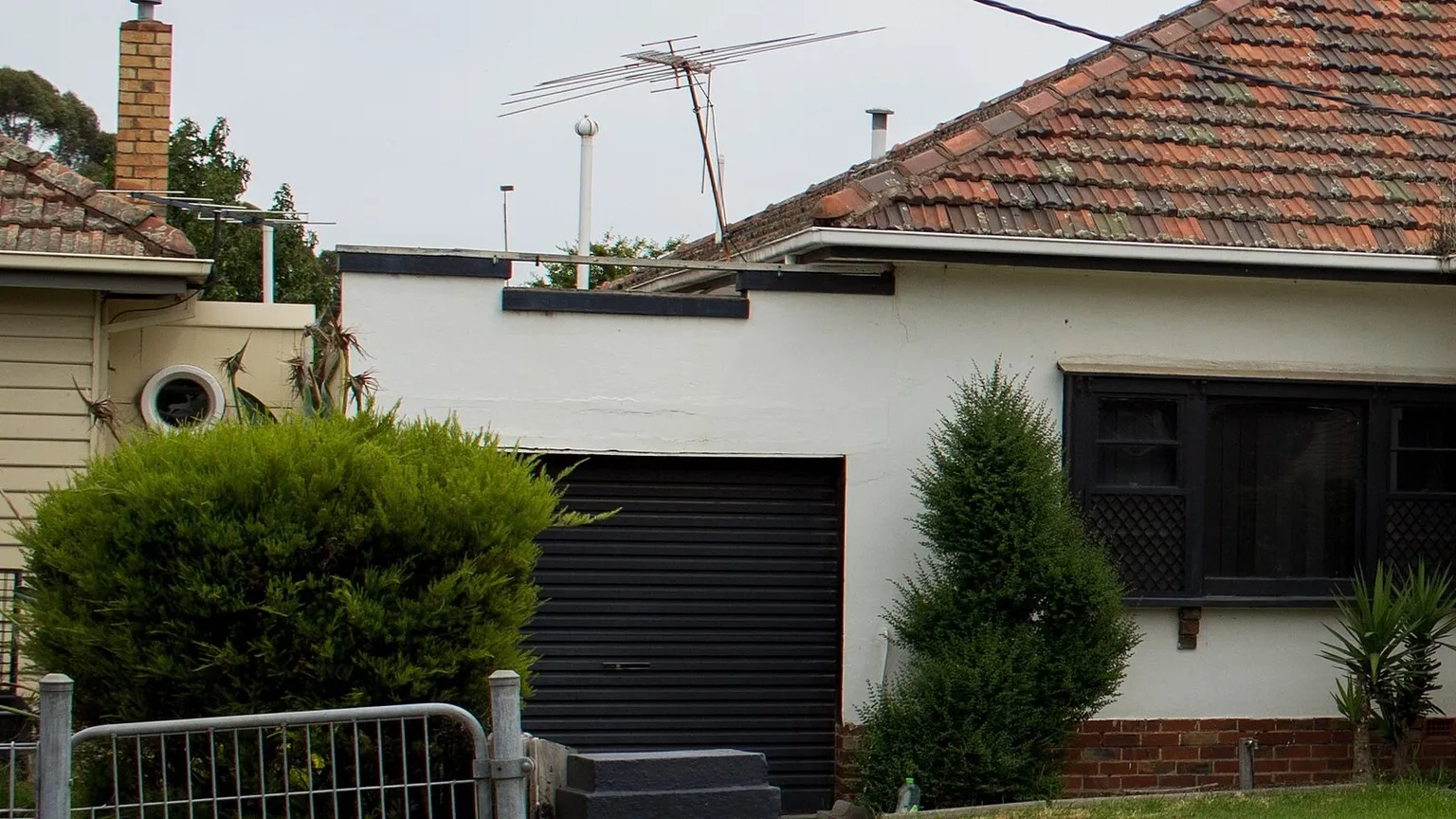
Photo: 'House on suburban street in Sunshine, Victoria' by Philip Mallis, Wikimedia Commons, CC BY-SA 2.0.
Loading comments…